How to Choose the Right Walking Aid for Daily Use
News Details
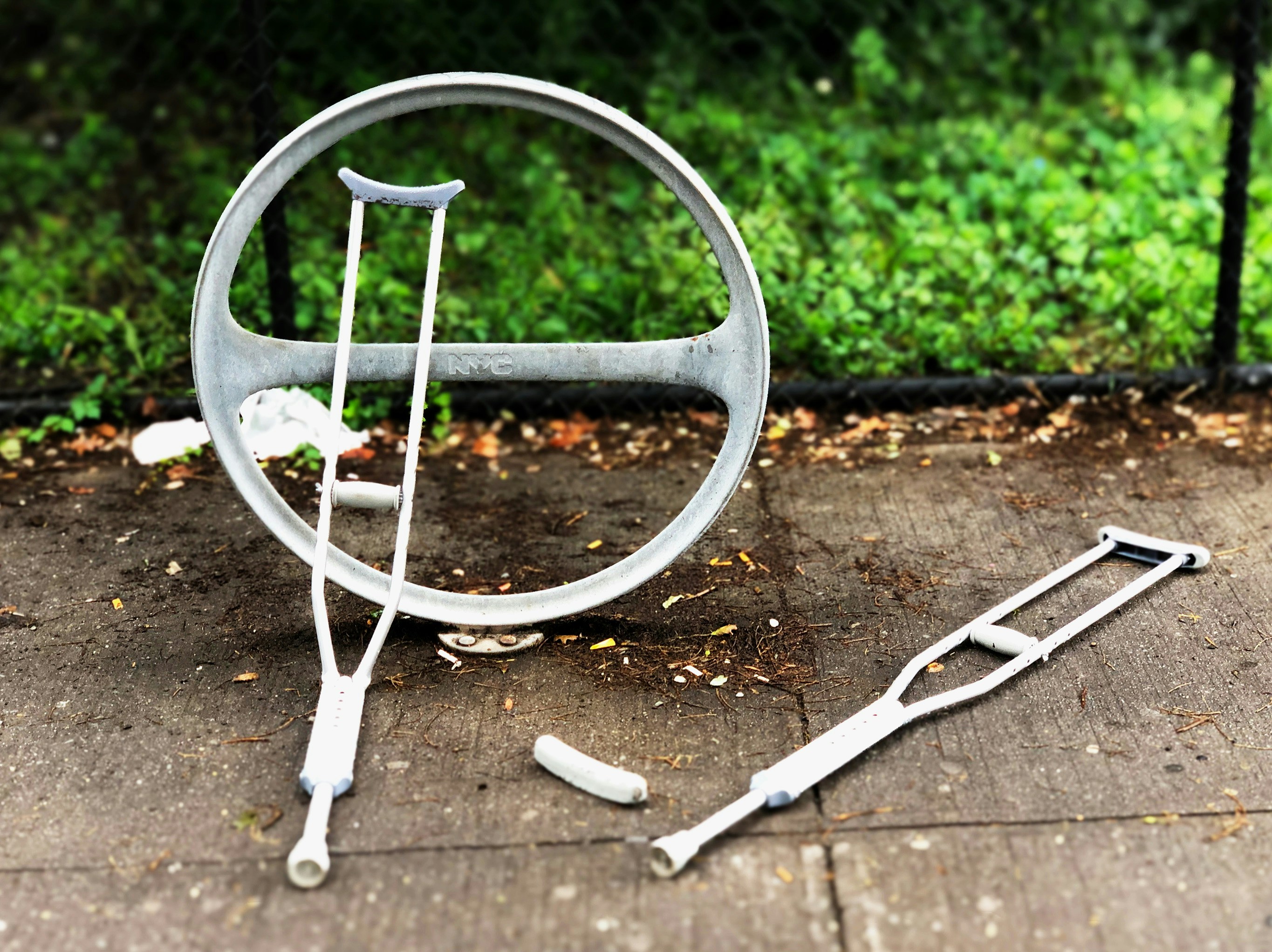
Choosing the right walking aid can make daily life safer and more comfortable. Whether you need extra support after an injury, help with balance, or a tool for long walks, the right device can make a big difference. However, different walking aids offer different levels of support. Therefore, it is important to choose one that fits your needs, body, and daily routine.
In this guide, we will explain the main types of walking aids, the key features to consider, and how to find the right option for daily use.
Why Choosing the Right Walking Aid Matters
A walking aid does more than help you move. It can also improve balance, reduce the risk of falls, and make daily tasks easier. For older adults and people recovering from surgery or injury, the right walking aid can support greater independence.
However, using the wrong device may cause discomfort or make walking harder. For example, a walking aid that is too high or too low can affect posture. Similarly, a device that offers too little support may not provide enough help on uneven ground.
Therefore, before buying a walking aid, consider your walking ability, strength, balance, and daily activities.
Compare Different Types of Walking Aids
The first step is to understand the main types of walking aids. Each option suits different needs and activity levels.
1. Canes for Light Walking Support
A cane is a simple choice for people who need a little extra balance while walking. It is lightweight, easy to carry, and often suitable for indoor and outdoor use.
However, a cane does not provide as much support as a walker. It is usually best for people who can already walk on their own but need some help with balance or stability.
When choosing a cane, check the handle shape, height, grip, and weight. An adjustable cane can also help you find a more suitable fit.
2. Standard Walkers for Better Stability
A standard walker has a frame that gives users more support than a cane. It is often suitable for people who have trouble keeping their balance or need extra help when standing and walking.
Some standard walkers do not have wheels, so users need to lift the frame with each step. As a result, they may be less convenient for people with limited arm strength.
On the other hand, these walkers can provide strong support when used correctly. Make sure the frame is easy to lift and fits the user's body size.
3. Two-Wheel Walkers for Easier Movement
A two-wheel walker has wheels on the front legs and fixed tips on the rear legs. This design allows users to move forward without lifting the whole frame at every step.
Therefore, it may be a good choice for people who need steady support but find a standard walker difficult to move.
Before choosing one, check the wheel quality, frame weight, handle comfort, and height adjustment range. These features can affect both safety and ease of use.
4. Rollators for Daily Walking and Outdoor Use
A rollator usually has three or four wheels, hand brakes, and a built-in seat on many models. Some models also include a storage basket or bag.
Because the wheels move freely, a rollator can make walking easier over suitable surfaces. In addition, the seat allows users to rest during longer walks.
However, rollators require enough control to manage the wheels and brakes. They may not be the best choice for people who need a frame that stays firmly in place while they lean on it. If balance is poor, ask a healthcare professional whether a rollator is suitable.
Key Features to Check When Choosing a Walking Aid
After comparing the main types, look at the features that affect comfort, safety, and daily use.
1. Choose the Correct Height
The height of a walking aid is one of the most important factors. A device that is too high or too low may cause poor posture and discomfort.
For many canes and walkers, the handles should be around wrist height when the user stands upright with arms relaxed at the sides. The elbows should bend slightly when holding the handles. However, the correct setup depends on the device and the user's needs.
Therefore, choose an adjustable model when possible. If you are unsure about the fit, ask a physical therapist or other qualified healthcare professional for help.
2. Check Weight and Frame Strength
A walking aid should be strong enough to support the user while remaining easy to handle. A lightweight frame may be easier to carry and move. However, strength and stability are just as important.
Check the manufacturer's stated weight capacity before buying. Also, consider the user's ability to lift, turn, and control the device.
For daily use, a durable frame and reliable joints can help the walking aid remain useful over time.
3. Look for Comfortable Handles
Users may hold a walking aid for long periods. As a result, handle comfort matters.
Choose handles that fit the user's hands and provide a secure grip. Soft or shaped handles may help reduce pressure on the hands. For people with weak grip strength or hand pain, the handle design deserves extra attention.
In addition, check that the handles do not feel slippery when the hands become damp.
4. Check Wheels, Brakes, and Rubber Tips
Wheels and contact points affect how a walking aid moves and stays in place.
For wheeled walkers and rollators, check that the wheels turn smoothly and the brakes work well. The user should be able to apply the brakes without too much effort.
For canes and walkers with rubber tips, inspect the tips for wear and damage. Replace worn tips when needed to help maintain grip on the floor.
Most importantly, test the device on the surfaces where it will be used. A model that works well indoors may not suit rough paths or uneven outdoor ground.
5. Consider Folding and Storage Features
A folding walking aid can be easier to store at home, place in a car, or take on a trip. This feature is especially useful for people who travel often or have limited storage space.
However, folding should not make the device difficult to open or lock securely. Before each use, check that all locks and joints are properly in place.
Match Your Walking Aid to Your Daily Activities
The best walking aid should fit your normal routine, not just your walking needs.
Walking Indoors
For use at home, consider the space between furniture, doorways, and bathroom entrances. A narrow walker may be easier to move through small areas.
Also, check that the device works well on smooth floors and does not catch on rugs or floor edges. Keeping walking paths clear is another simple way to improve safety.
Walking Outdoors
If you often walk in parks, on sidewalks, or around your neighborhood, consider the surface and distance. A rollator may be useful for longer walks if you can control its wheels and brakes safely.
However, not every walking aid suits uneven ground. Check the manufacturer's guidance and choose a model that matches the places you visit most often.
Shopping and Daily Errands
For shopping and other daily tasks, portability and storage can make a difference. A folding walker may be easier to transport, while a rollator with a storage bag may help carry light personal items.
Even so, do not overload a walking aid or hang heavy bags from its handles. Extra weight may affect balance and control.
Common Mistakes to Avoid When Buying a Walking Aid
Choosing a walking aid based only on price or appearance can lead to problems. Instead, focus on fit, function, and safety.
Here are some common mistakes to avoid:
- Choosing the wrong type: A cane may not offer enough support for someone with major balance problems.
- Ignoring height adjustment: Poor handle height can lead to an uncomfortable walking position.
- Overlooking weight capacity: Always check the manufacturer's recommended user weight.
- Forgetting about brakes: Rollator brakes must be easy to use and work correctly.
- Buying without testing: Whenever possible, try the walking aid before making a final choice.
- Ignoring regular checks: Loose parts, worn rubber tips, and faulty brakes can affect safe use.
By avoiding these mistakes, you can make a more informed choice and find a walking aid that suits your needs.
How to Use a Walking Aid Safely Every Day
Even the right walking aid needs to be used correctly. First, make sure the device is adjusted to the correct height. Next, learn how to move, turn, sit down, and stand up with it.
If you use a rollator, apply the brakes as instructed when stopping or sitting on its seat. Never assume the seat is safe to use without securing the device.
In addition, wear shoes that fit well and have good grip. Keep floors free of loose objects, and use extra care on wet or uneven surfaces.
If you have recently had surgery, experience frequent falls, or have trouble deciding which device to use, seek advice from a healthcare professional or physical therapist. They can assess your walking pattern and help you learn the correct technique.
Final Thoughts on Choosing the Right Walking Aid
Choosing the right walking aid starts with understanding your balance, strength, and daily needs. A cane may be enough for light support, while a standard walker or two-wheel walker may suit people who need more stability. Meanwhile, a rollator can be helpful for longer walks when the user can safely manage its wheels and brakes.
Before making a purchase, compare height adjustment, frame strength, handle comfort, weight capacity, and ease of use. Also, consider where you will use the device most often.
Ultimately, the best walking aid is one that provides suitable support, feels comfortable, and helps you move more safely in daily life.


